
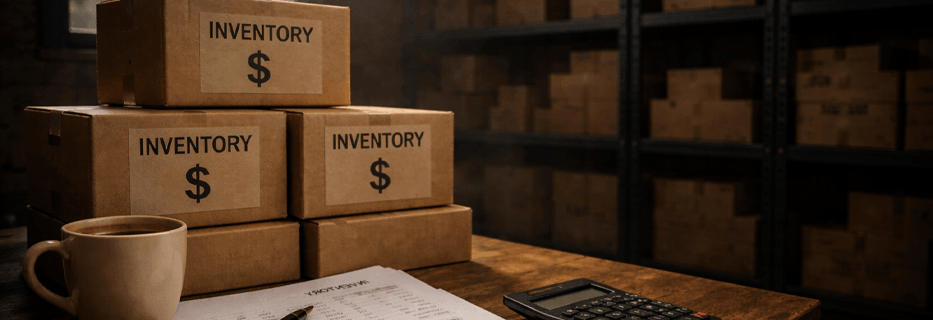
For many food businesses in Malaysia, profitability is not just about making more sales. It is also about managing costs more carefully behind the scenes. One common issue that quietly reduces margins is poor inventory tracking.
When stock is not monitored properly, restaurants, cafés, hawker stalls, and caterers can end up facing three costly problems: food waste, spoilage, and over-ordering. These may seem like small daily issues, but over time, they can have a serious effect on cash flow and profits. That is why applying practical inventory management tips for restaurants is so important for food operators in Malaysia.
Inventory tracking helps food businesses know what ingredients they have, what is moving quickly, and what needs to be used soon. Without accurate records, purchasing decisions become less reliable.
This often leads to avoidable mistakes. Staff may reorder ingredients that are already in storage, overlook items nearing expiry, or buy more stock than the kitchen can realistically use. These errors increase food cost and reduce overall efficiency.
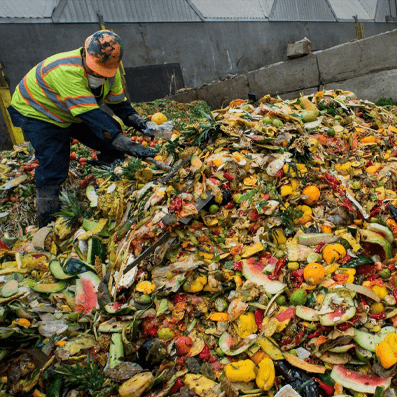
Food waste is one of the clearest signs of weak inventory control. When ingredients are not tracked properly, businesses may prep too much, forget older stock, or fail to use ingredients before they lose freshness.
For Malaysian food businesses working with fresh produce, seafood, poultry, sauces, and chilled items, every wasted ingredient is money that cannot be recovered. Learning how to reduce food waste is not just good practice. It is also a direct way to protect your margins.

Spoilage happens when ingredients expire or deteriorate before they can be used. This usually becomes a bigger issue when stock rotation is inconsistent or expiry checks are not done regularly.
For example, if newer ingredients are used before older ones, products with shorter shelf life may be left in the chiller or storeroom until they are no longer usable. These losses are easy to overlook day to day, but they slowly eat into profits.
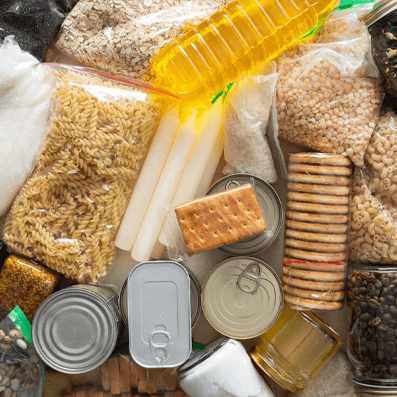
Many operators buy extra stock to avoid running out during busy periods. While this may feel safer, over-ordering often creates unnecessary pressure on cash flow.
Too much stock means more money tied up in ingredients sitting on shelves, in freezers, or in chillers. It also increases the chance of spoilage and takes up valuable storage space. For smaller F&B businesses in Malaysia, this can make daily operations harder to manage.
The good news is that these problems can be reduced with better habits and clearer systems. Even simple steps such as daily stock checks, regular expiry reviews, and consistent first-in, first-out practices can make a big difference.
Food operators can also benefit from following basic inventory management tips to improve stock visibility and make purchasing decisions more accurate.
Poor inventory tracking may not always look like a major problem at first, but the impact on profit is real. Food waste, spoilage, and over-ordering can quietly drain revenue and make it harder for food businesses in Malaysia to grow.
By improving inventory control, operators can reduce waste, protect cash flow, and improve food business operational efficiency. Better tracking is not just an admin task. It is a smarter way to run a more profitable food business.
As you strengthen your operations, you can also benefit from additional support and rewards by joining the Ajinomoto Food Biz Partner loyalty program. This is to help you optimise costs and grow your business with exclusive benefits.

Ajinomoto Food Biz Partner
Have a question? Contact us now!
