
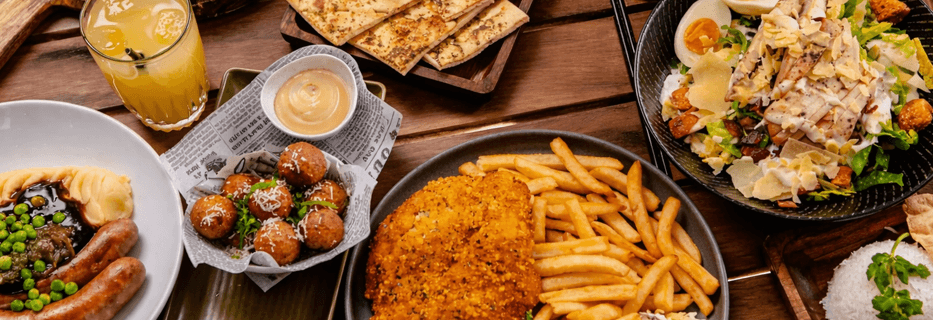
For many food businesses in Malaysia, offering a long menu can feel like the safest way to attract more customers. More choices, more chances to sell, right? In reality, an oversized menu often creates the opposite effect. It slows down kitchen operations, increases ingredient waste, and makes it harder to maintain consistent food quality.
That is why more operators are moving toward a simpler, smarter menu strategy. Instead of trying to serve everything, they focus on a few high-margin dishes that are easier to execute and more profitable to sell.
A long menu may look impressive, but behind the scenes, it can hurt margins. More dishes usually mean more ingredients to stock, more preparation steps, and more room for inconsistency. When ingredients move slowly, spoilage rises. When recipes are too varied, staff need more training and service becomes less efficient.
A smaller menu solves these problems. By focusing on a few best-selling, high-margin items, food businesses can buy ingredients more efficiently, reduce waste, and improve speed during peak hours. This is especially valuable for Malaysian operators dealing with rising food costs, labour challenges, and intense competition in the F&B market.
A simpler menu does not just improve profitability. It also creates a smoother operation from prep to service.
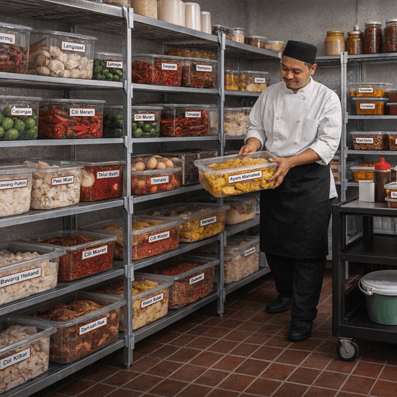
When you focus on fewer dishes, you can forecast ingredient usage more accurately. This helps reduce over-ordering and spoilage. It also makes inventory easier to manage, which is important for small restaurants, cafés, kiosks, and cloud kitchens.
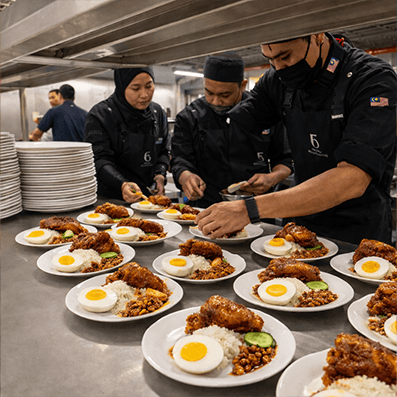
Training new staff becomes much easier when they only need to master a handful of dishes. This reduces mistakes, shortens onboarding time, and improves confidence in the kitchen.

Customers return when they know exactly what to expect. With a simplified menu, your team can deliver the same flavour and quality every time. You can also support consistency by using trusted ingredients and standardised recipes from Recipe Biz, where operators can explore practical ideas for repeatable, business-friendly dishes.
Menu simplification does not mean cutting randomly. It means choosing with purpose.
Look at which dishes actually make money. Check food cost, prep time, waste levels, and sales volume. You may find that some items are taking up space without contributing much profit.
Choose a few dishes that are popular, profitable, and easy to execute well. These should become the core of your menu.
If a dish needs special ingredients, slows down service, or rarely gets ordered, it may be worth removing. A shorter menu often makes ordering easier for customers too.
Use overlapping ingredients, sauces, and seasonings wherever possible. This gives you better cost control while still allowing menu flexibility.
There is also a branding advantage to simplification. A focused menu tells customers what you are known for. Instead of being average at everything, your business becomes memorable for a few standout dishes. That can make marketing easier, customer decisions faster, and repeat orders more likely.
If you are planning to refresh your menu, explore our Products and practical business resources through Biz Talks for ideas that support faster kitchen operations and more consistent results.
A smaller menu does not mean limiting your business. It means sharpening it. For Malaysian food businesses, simplifying the menu can lead to lower waste, faster service, easier training, and stronger profit margins. When you focus on a few high-margin dishes and execute them well, you create a business that is easier to run and easier to grow.
As you streamline your operations and improve profitability, you can also unlock additional value by joining our Ajinomoto Food Biz Partner loyalty program, where you can enjoy exclusive rewards, business support, and tools designed to help your business grow.

Ajinomoto Food Biz Partner
Have a question? Contact us now!
