
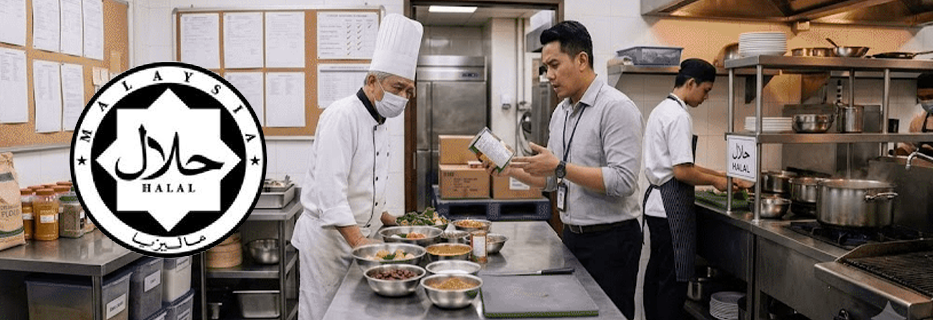
Many F&B business owners in Malaysia understand that halal certification matters. But knowing it matters and actually getting through the halal certification process in Malaysia are two very different things. A lot of operators go into their JAKIM application confident, only to face delays, rejections, or non-compliance notices that could have been avoided.
If you have read our piece on why halal certification and quality assurance matter for your food business, this article takes things a step further. Here we focus on the real mistakes that get businesses stuck, and what you can do to avoid them.
This is one of the most common halal certification mistakes operators make. Businesses often assume that because a supplier is reputable or a product “seems fine,” the ingredient is automatically halal-compliant.
JAKIM’s requirements are clear: all ingredients and raw materials must be halal or sourced from JAKIM-recognised suppliers. That includes flavourings, food additives, emulsifiers, and cooking oil. A single unverified ingredient in your supply chain can put your entire application at risk.
Build a complete ingredient list before you apply, and verify each supplier’s halal certificate through the JAKIM Halal Malaysia portal. When it comes to core cooking ingredients, sourcing from already-certified brands helps. Ajinomoto’s range of cooking products carries JAKIM halal certification, which removes one layer of verification from your checklist.
Incomplete documentation, especially missing ingredient certificates from suppliers, is one of the top reasons applications get rejected. JAKIM auditors need a clear paper trail, and gaps raise red flags immediately.
Your documentation should cover your business registration, local authority license, full ingredient and supplier list, kitchen SOPs, staff food handler certifications, and proof of halal training. Keep both physical and digital copies ready before submitting through the MYeHALAL portal. A well-prepared application moves significantly faster through the typical three to six month process.
JAKIM evaluates more than just your ingredient list. Your kitchen layout, storage systems, and daily handling procedures all come under scrutiny during the on-site inspection. A common mistake is storing halal and non-halal items in the same space, or using shared utensils without proper separation protocols.
Halal and non-halal items must be strictly segregated, and facilities must be clean, organised, and undergo regular pest control. Write out your kitchen SOPs in detail, covering food preparation, storage, cleaning schedules, and contamination procedures, before your auditor visits.
Staffing is part of JAKIM halal requirements, and many operators overlook this. Based on the application category and business size, at least one to two Muslim employees who are Malaysian citizens must be present for every work shift.
Beyond headcount, food handlers also require anti-typhoid vaccinations and training from a Health Ministry-recognised institution. Missing staff certificates can delay or derail an application even when everything else is in order. Audit your team before you apply and make sure all records are on file.
Several F&B businesses have assumed their central kitchen certificate extends to individual outlets, which has led to compliance issues and public confusion. JAKIM certification is premise-specific. A certificate for your central kitchen does not cover your dine-in or takeaway locations.
Each premises that serves food to customers needs its own certification. If you are running a chain, plan for this from the start rather than treating it as an afterthought.
A JAKIM halal certificate is valid for two years, and renewal must be applied for at least three months before expiry. Letting it lapse means losing certified status, which affects customer trust and your ability to supply hotels, hospitals, and government bodies.
Treat renewal with the same seriousness as your initial application. JAKIM conducts surveillance audits and expects the same compliance standards throughout.
Getting halal certification in Malaysia is not just about ticking boxes. It is about building a business that Muslim consumers can genuinely trust. The mistakes above are all avoidable when you prepare properly: verify your ingredients, organise your documents, train your staff, and keep your kitchen practices consistent.
Sourcing from halal-certified partners and staying on top of renewals are habits that compound over time. If you are building those habits as part of a wider business growth plan, it is also worth exploring the Ajinomoto Loyalty Program, where you can earn rewards on every purchase of Ajinomoto products and get access to business support resources as you grow.

Ajinomoto Food Biz Partner
Have a question? Contact us now!
