
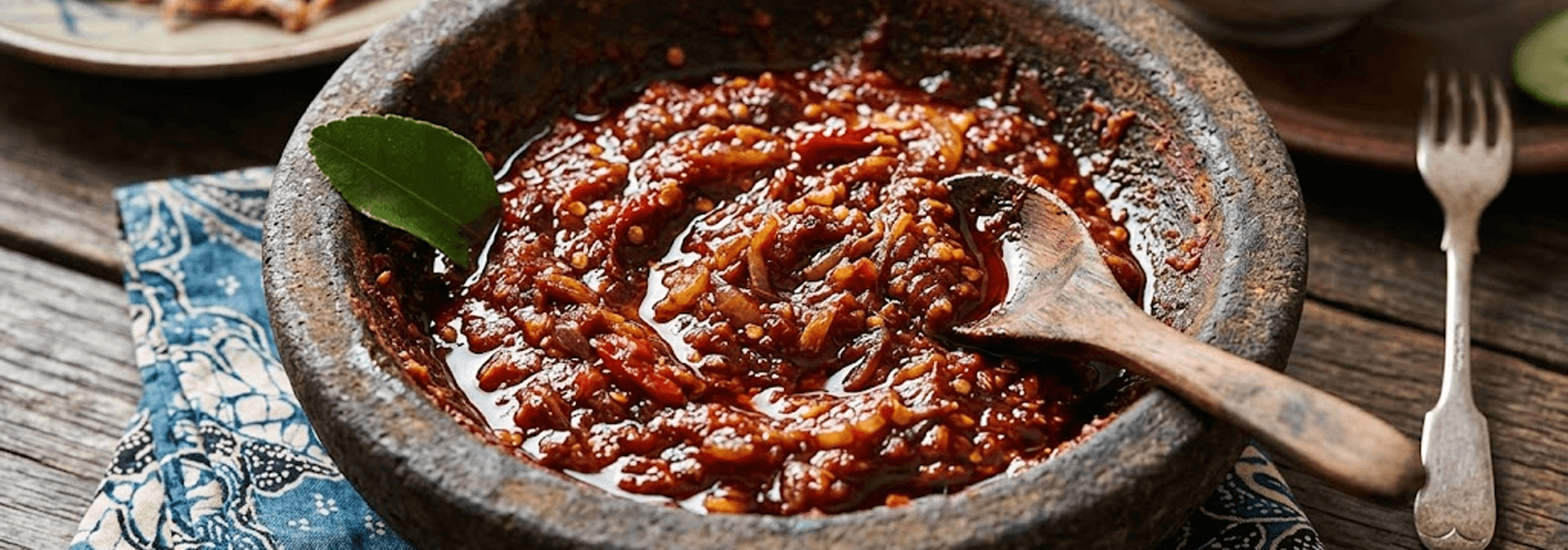
Malaysia is known for Curry Laksa and Sambal Belacan. But serious food operators know the real gems often come from regional kitchens. Yes, the locals.
Think Sambal Gesek from Negeri Sembilan. Or Sambal Rong from Pahang. These dishes attract adventurous diners who are always looking for something beyond the usual menu.
Now comes the hard part. Turning heritage sambal recipes into scalable menu items for commercial kitchens requires tight control of ingredients and flavour balance. Raw ingredients change. Heat levels fluctuate. Margins shrink if not controlled properly.
In a home kitchen, variation is normal. In a commercial kitchen, variation is expensive.
Take bird’s eye chilies, or cili padi. A batch bought on Tuesday can be twice as spicy as the batch delivered on Friday. Water content, colour, and aroma all shift depending on season and supplier.
When producing large batches for multiple outlets, these small differences quickly become serious problems:
Trying to standardise restaurant recipes using only raw agricultural products is an unpredictable gamble. The result is inconsistent flavour, wasted ingredients, and customer complaints.
Once customers notice inconsistency, brand trust drops fast.
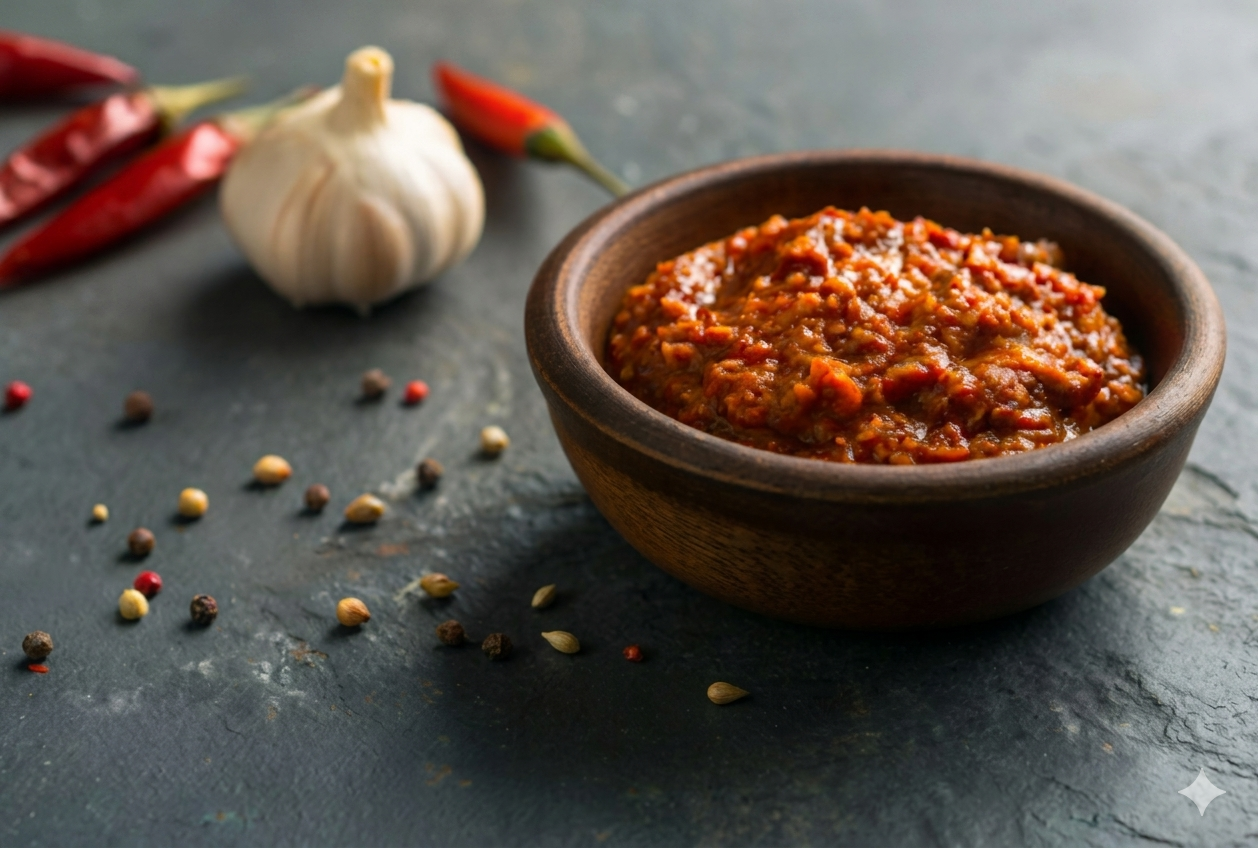
High-volume kitchens cannot rely on pounding raw chilies to order. It slows down service and creates uneven results between cooks.
The smarter approach is to develop a stable commercial sambal paste in a central kitchen.
Here is how it works:
Each outlet then uses this base for multiple dishes such as:
This system improves control and removes daily guesswork. Still, central batching alone cannot fully eliminate natural chili variation.
That is where flavour stabilisation comes in.
To manage flavour shifts from raw ingredients, many professional kitchens rely on umami-based solutions to stabilise taste across batches.
These help balance chili heat while maintaining savoury depth.
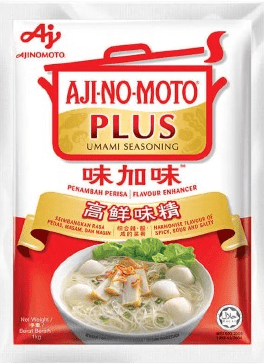
The upgrade your kitchen didn’t know it needed. AJI-NO-MOTO® PLUS. A smarter seasoning that delivers richer, deeper umami in every dish.
In extremely spicy sambal applications, it:
Even if the raw chilies are slightly inconsistent, the overall flavour remains balanced and consistent.
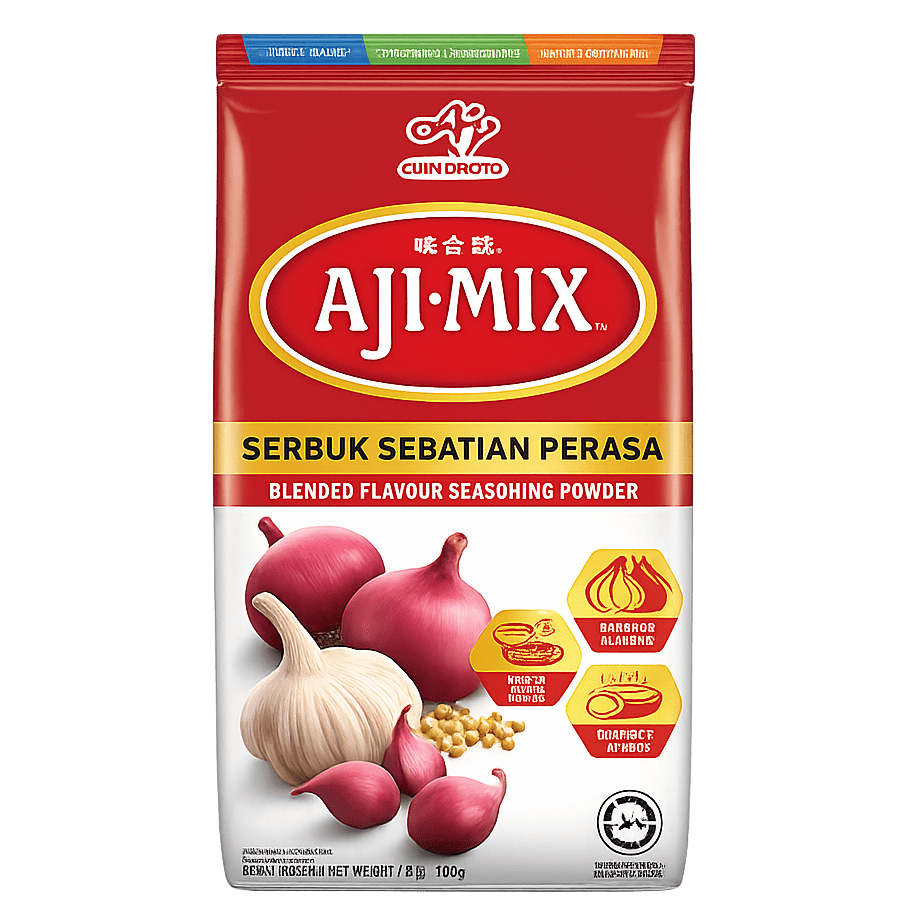
AJI-MIX™ works as a balanced seasoning base for complex dishes.
Regional sambals often include tamarind, lime juice, or fermented ingredients. These bring sharp acidity that can overpower the dish if not controlled.
AJI-MIX™ helps:
Instead of adjusting blindly every day, your team follows a controlled formula.
Standardisation is not just about taste. It directly impacts profitability.
Here is what operators gain:
If a large batch turns out bitter, it often gets discarded. Stabilising flavour protects ingredient investment.
A customer in Penang should experience the same sambal as one in Kuala Lumpur. Consistency builds trust.
With a stable base, cooks no longer adjust flavours daily. Service becomes faster and training simpler.
Less guesswork. Faster output. Better margins.
Malaysia’s lesser-known chili dishes deserve a place on modern commercial menus. They attract curious diners and create strong brand differentiation.
Scaling them does not have to be complicated.
With a central batching strategy and the right seasoning partners, you can:
Ajinomoto Food Biz Partner supports professional kitchens with solutions designed for flavour stability and batch consistency. By incorporating AJI-NO-MOTO® PLUS and AJI-MIX™, restaurants can strengthen their sambal base while maintaining reliable results across outlets.
For operators looking to standardise sambal recipes or build a scalable commercial sambal paste, these solutions offer a practical way forward.

Ajinomoto Food Biz Partner
Have a question? Contact us now!
